Transforming Digital Designs with Watercolor Border Squares and Page Borders
In the evolving landscape of digital design, the demand for authentic, hand-crafted aesthetics continues to rise. While vector graphics offer precision, they often lack the organic warmth that characterizes traditional art. This is where Watercolor Border Squares and custom Page Borders become indispensable assets. These elements bridge the gap between digital efficiency and artistic expression, providing a versatile toolkit for professionals and hobbyists alike.
The integration of watercolor brush strokes into digital workflows allows creators to infuse projects with texture, depth, and emotion. Whether you are designing a high-end wedding invitation or a corporate brochure, the subtle imperfections of watercolor add a layer of sophistication that flat colors simply cannot achieve. Understanding how to leverage these assets effectively can elevate the perceived value of any creative output.
The Artistic Value of Watercolor Elements in Digital Media
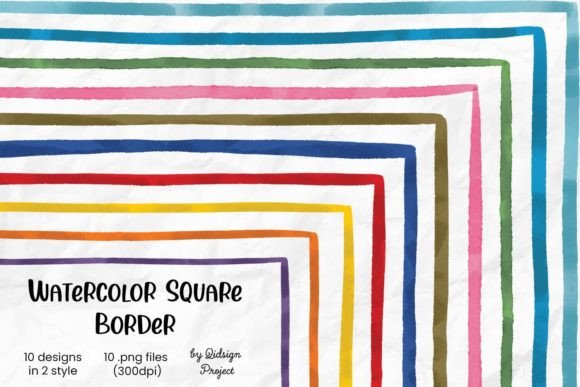
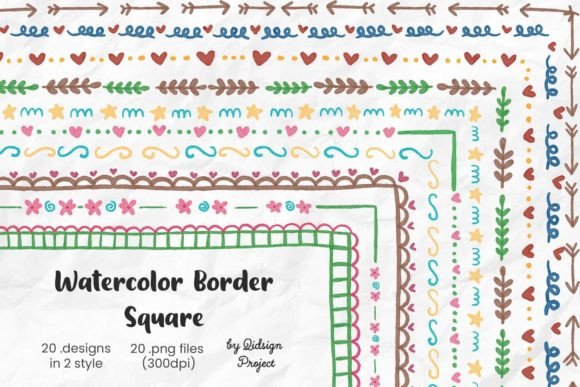
Watercolor has long been a favorite medium for artists due to its fluidity and unpredictable nature. When translated into digital formats like PNG and JPG, these characteristics are preserved without the mess associated with physical paint. The Watercolor Border Squere concept represents a specific application of this style, focusing on framed sections that draw the eye inward while maintaining an airy, open composition.
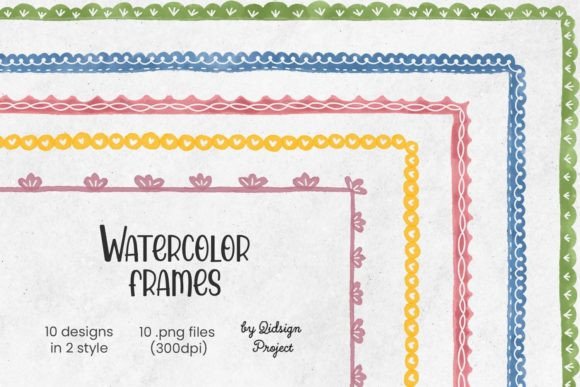
Unlike rigid geometric borders, watercolor frames feature soft edges and bleeding ink effects that mimic real pigment settling on paper. This organic quality is particularly effective in designs intended to evoke nostalgia, romance, or natural beauty. The inclusion of decorative elements such as scattered watercolor brush strokes further enhances the visual narrative, creating a sense of movement and spontaneity across the page.
For educators and researchers, these assets provide a way to make informational materials more engaging. A standard textbook layout can be transformed into a visually stimulating experience by incorporating Page Border elements that frame text without obscuring content. The transparency of these files ensures that they blend seamlessly with any background color or image, offering maximum flexibility in layout design.
Understanding the Composition of Decorative Frames
A well-designed set of decorative elements goes beyond simple decoration; it establishes a visual hierarchy. The collection typically includes both No fill frame and White fill frame variations, allowing designers to choose the level of contrast required for their specific project. A no-fill frame acts as a subtle outline, perfect for minimalist designs where the focus remains on the central content. Conversely, a white fill frame provides a solid canvas, ideal for placing text or images that need to stand out against a busy background.
The 20 distinct squares included in such a collection offer a wide range of styles. Some may feature heavy saturation at the corners, while others might have delicate, fading strokes along the edges. This variety ensures that a designer can maintain consistency within a single project while introducing subtle differences to keep the viewer interested. For instance, using different border styles for headers versus footers can create a cohesive yet dynamic document structure.
Practical Applications Across Industries
The versatility of Watercolor Border Squares extends far beyond simple scrapbooking. Professionals in various fields utilize these assets to enhance communication and branding. The ability to apply these frames quickly via drag-and-drop interfaces saves significant time compared to hand-drawing each element from scratch.
Ceremonial and Event Design
One of the most prominent use cases for watercolor frames is in event planning. Wedding invitations require a balance of elegance and personalization. By utilizing a Page Border with soft floral accents, couples can create stationery that feels intimate and exclusive. Similarly, baby shower invitations benefit from the gentle, pastel tones often associated with watercolor art, setting a warm tone for the celebration before the guest even opens the envelope.
Save-the-date cards also rely heavily on first impressions. A unique Watercolor Border Squere can serve as the primary visual hook, drawing attention away from generic templates. The transparent background of the PNG files allows these frames to be overlaid on textured paper backgrounds or photographic imagery, creating a layered effect that mimics professional print design.
Business and Corporate Communications
While often associated with personal events, watercolor elements are increasingly finding their place in the corporate world. Business cards featuring subtle watercolor brush strokes can differentiate a brand from competitors who rely solely on stark, modernist designs. This approach suggests creativity and attention to detail, traits highly valued in service industries.
Brochures and flyers for local businesses, such as boutiques or artisanal cafes, can use these frames to highlight special offers or menu items. The Page Border acts as a container for information, guiding the reader's eye through the key selling points. When paired with high-quality photography, the watercolor elements add a touch of warmth that makes the business feel more accessible and human-centric.
Educational and Personal Projects
Educators and students often seek ways to make learning materials more visually appealing. Bullet Journal Clipart, including watercolor frames, is a popular resource for planners and organizers. Students can use these assets to create study guides, flashcards, or presentation slides that are easier to digest than plain text documents. The visual breaks provided by the Decorative Elements help reduce cognitive load, making complex information more approachable.
Hobbyists and crafters find endless possibilities in these digital assets. Scrapbooking enthusiasts can incorporate them into digital layouts before printing, ensuring their albums look polished and professional. Card making communities appreciate the ability to mix and match different border styles to create one-of-a-kind greeting cards for birthdays, anniversaries, and holidays.
Technical Specifications and File Quality
The utility of any digital asset depends heavily on its technical specifications. High-resolution files are essential for ensuring that designs remain crisp when printed or viewed on high-density screens. The collection described here includes 20 high-quality PNG label frame files created at 300 dpi with a transparent background. This resolution is the industry standard for print production, guaranteeing sharp edges and smooth gradients without pixelation.
In addition to the transparent options, the set provides 20 high-quality JPG label frame files created at 300 dpi with a white background. This dual-format approach caters to different workflow preferences. Users who prefer working with layers and transparency will favor the PNGs, while those who need quick, opaque elements for basic editing tasks can utilize the JPGs. The inclusion of both No fill frame and White fill frame variants ensures compatibility with a wide array of software applications, from Adobe Photoshop to Canva and Microsoft Word.
The 300 dpi specification is particularly important for large-format prints. If a designer intends to scale up a wedding invitation or a poster, low-resolution assets would result in blurry, jagged lines. The high fidelity of these watercolor frames ensures that the delicate details of the brush strokes remain intact, preserving the artistic integrity of the original design.
Integration into Modern Workflows
Modern design tools have made it easier than ever to integrate raster assets like watercolor frames into vector-based projects. The transparent background of the PNG files allows for non-destructive editing. Designers can adjust the opacity, apply blending modes, or recolor the underlying layers without affecting the frame itself. This flexibility supports iterative design processes, where experimentation is key to finding the perfect aesthetic.
Furthermore, the lightweight nature of these optimized files means they do not bloat project sizes. This is crucial for web designers who need to load assets quickly without compromising visual quality. The combination of high resolution and efficient file size makes these assets suitable for both print and digital media, maximizing their return on investment for users.
Considerations for Effective Usage
While the potential of Watercolor Border Squares is vast, successful implementation requires thoughtful consideration of context and composition. Overusing decorative elements can clutter a design and distract from the core message. It is important to strike a balance between the artistic flair of the watercolor frames and the functional requirements of the content.
When selecting a Page Border, consider the amount of text or data that needs to be displayed. A heavy, dark frame might work well for a cover page, but a lighter, more delicate frame is better suited for interior pages containing dense information. The choice between a No fill frame and a White fill frame should also align with the overall color scheme of the project. Using a white fill frame on a light background may reduce contrast, whereas a no-fill frame might disappear entirely.
Color theory plays a significant role in harmonizing watercolor elements with other design components. Since watercolors naturally blend and bleed, they pair exceptionally well with complementary colors found in nature. However, designers should avoid clashing hues that compete for attention. The goal is to create a unified visual experience where the frame enhances the content rather than overshadowing it.
Conclusion: Elevating Creativity Through Digital Tools
The availability of high-quality Watercolor Border Squares and Page Borders democratizes access to professional-grade design elements. By providing 20 distinct styles in both PNG and JPG formats at 300 dpi, these assets empower a broad audience to create stunning visuals regardless of their technical expertise. From wedding invitations and baby shower announcements to business brochures and educational materials, the applications are limitless.
As the digital design space becomes increasingly saturated, the unique charm of hand-painted aesthetics offers a competitive edge. The organic textures of watercolor brush strokes and the structural integrity of Decorative Elements allow creators to tell stories that resonate on an emotional level. Whether you are a seasoned professional looking to streamline your workflow or a hobbyist eager to explore new creative avenues, integrating these assets into your projects is a strategic move toward higher quality outcomes.
Ultimately, the success of any design lies in its ability to communicate effectively. By leveraging the versatility of watercolor frames, creators can ensure their messages are not only heard but felt. The combination of artistic beauty and technical precision found in these resources makes them an essential component of the modern creator's toolkit.